Your products's number


Most seal failures in a vehicle do not look dramatic at first. A connector housing lets in moisture over a winter, a sensor reads incorrectly after a pressure wash, or a control unit corrodes from the inside. The part that failed is often a seal worth a few cents. Automotive buyers therefore judge a silicone seal on consistency, not on one good sample: the thousandth part has to seal like the first.
TYM Mold produces these seals in liquid silicone rubber (LSR) for vehicle component makers and Tier 1 and Tier 2 suppliers. You supply the drawing, the mating part geometry or a sample, and we build the mold and produce the seal.
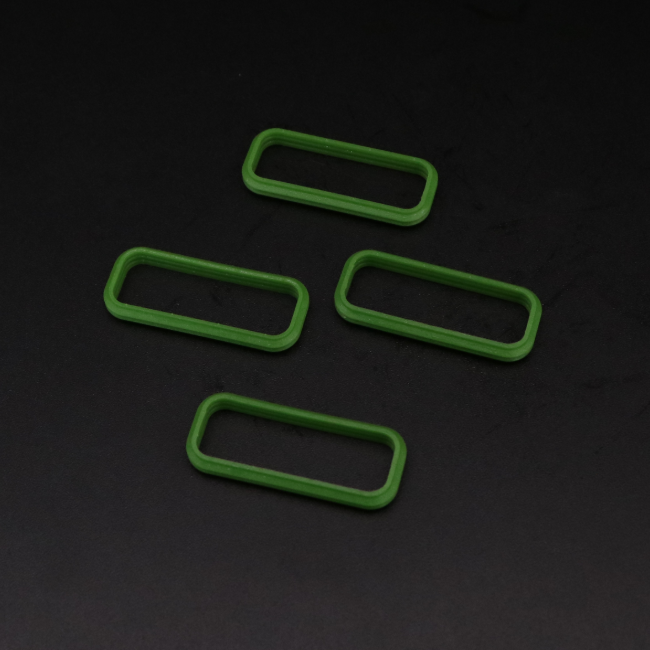
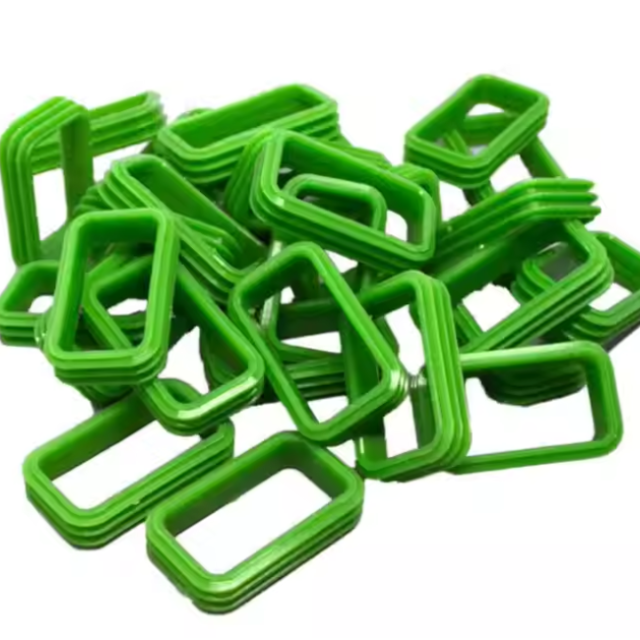
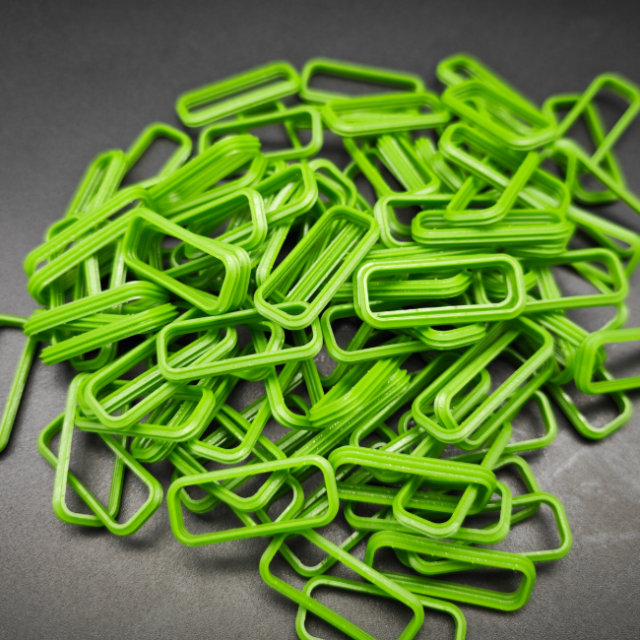
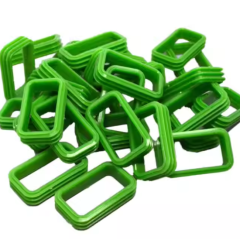
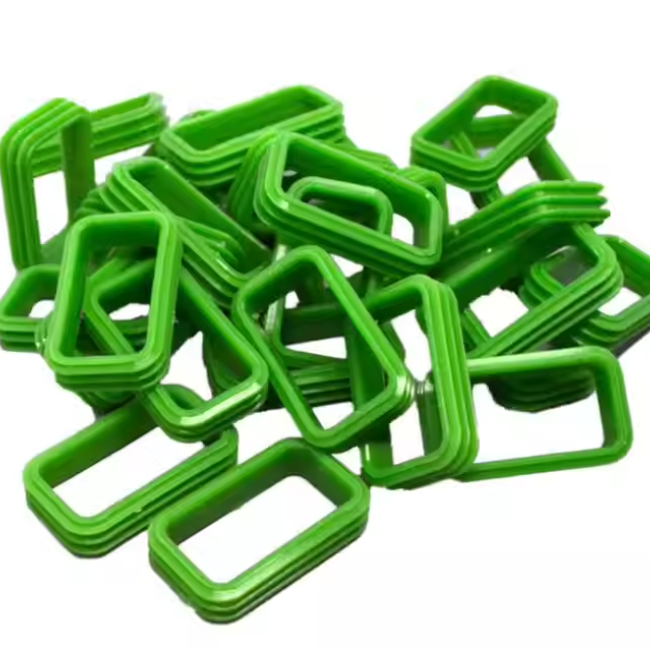
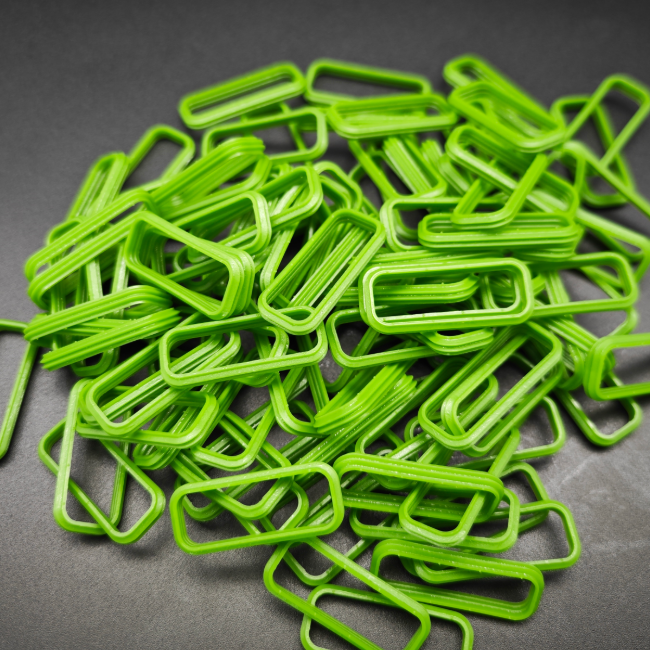
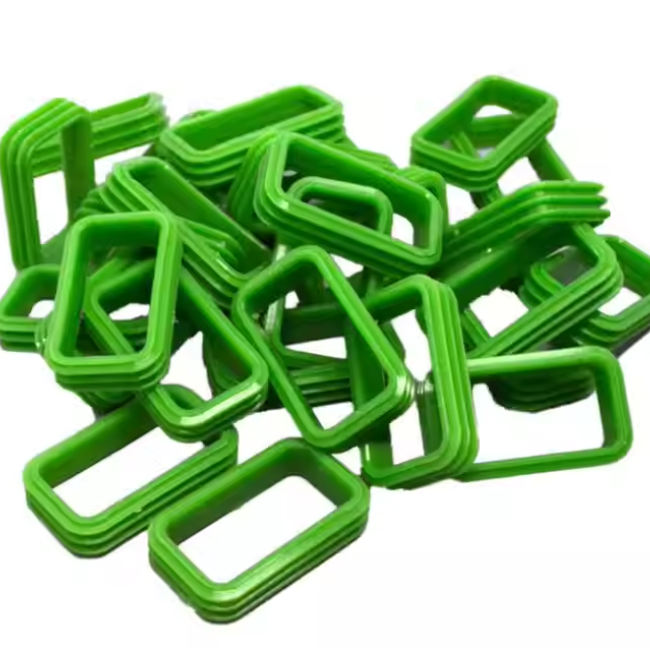
Rectangular multi-rib seals. These are the sleeve-type seals that sit around a connector body or cable entry, with several raised ribs that compress against the housing wall. The rib count, height and spacing decide how evenly the seal presses in and how much force is needed to insert the connector. We design these with you so the connector assembles smoothly and still seals when fully seated.
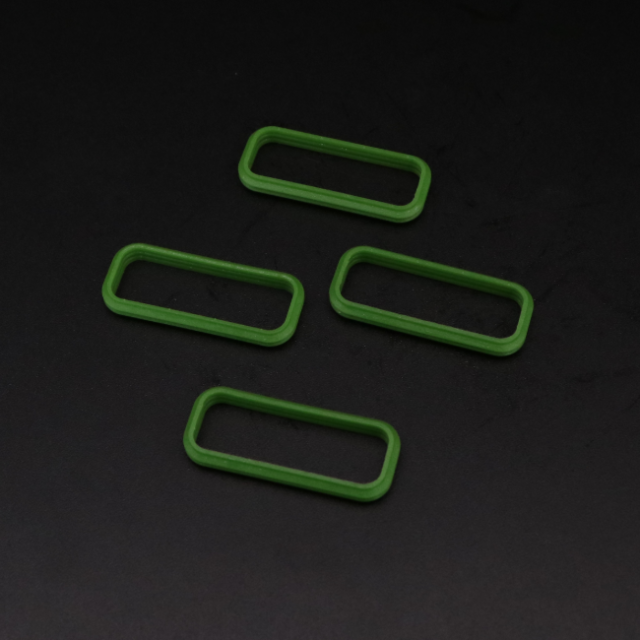
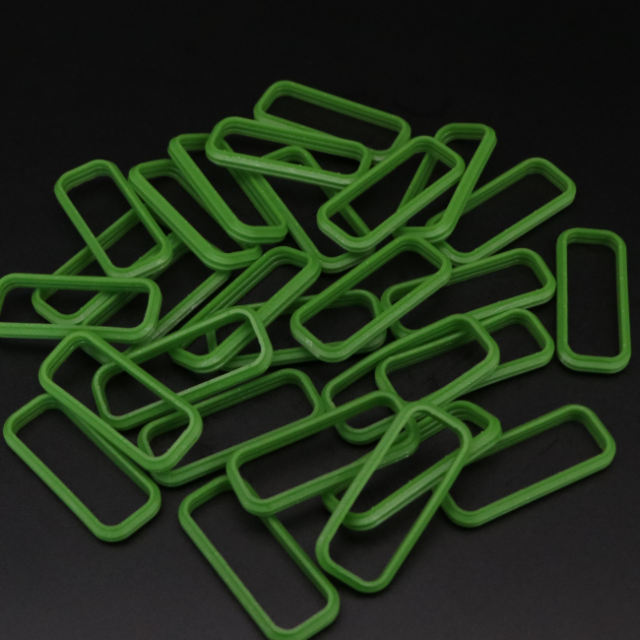
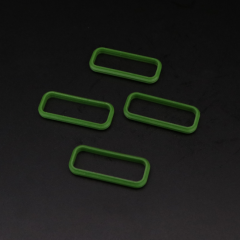
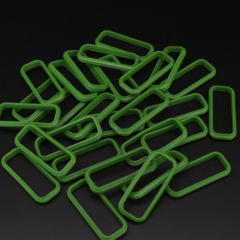
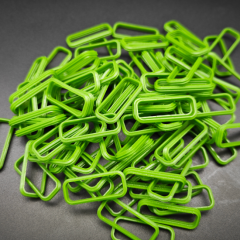
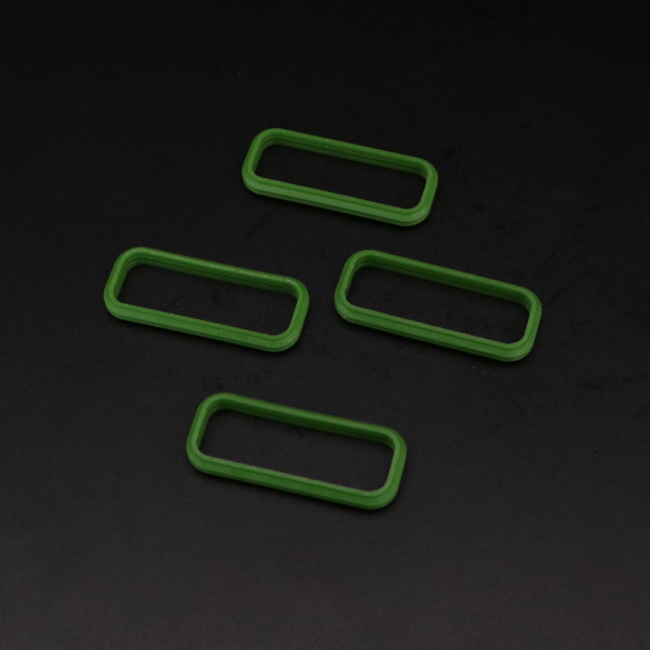
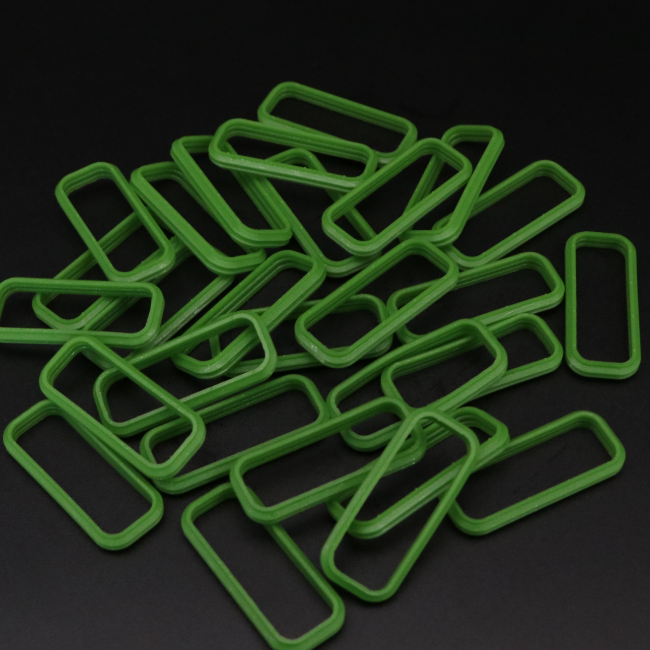
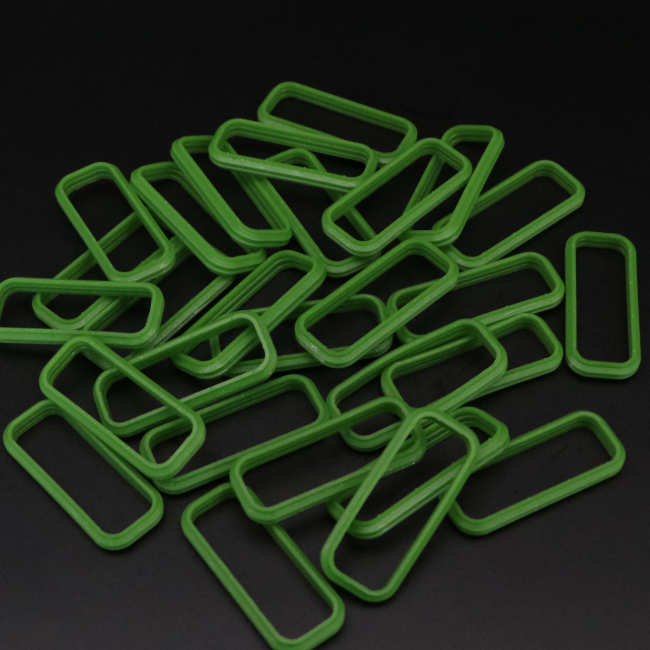
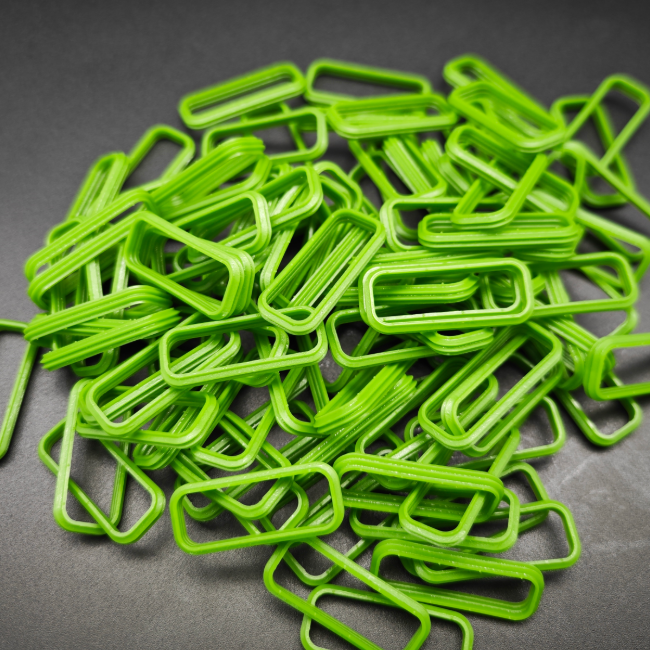
Flat frame gaskets. Thin rectangular or rounded-rectangle rings that sit between two housing halves, around a sensor window or under a cover. The challenge here is flatness and uniform thickness around the full loop, since an uneven ring leaves a leak path. Clean edges matter as well, because even a small flash line on a thin gasket can interrupt the seal.
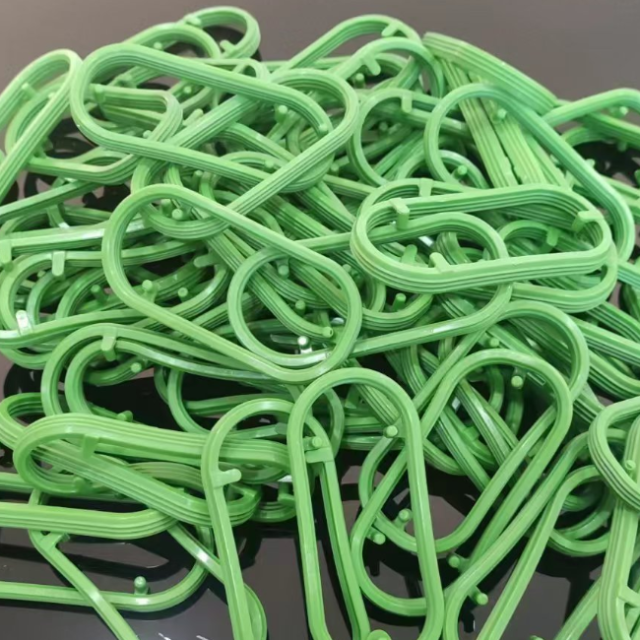
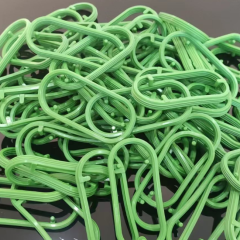
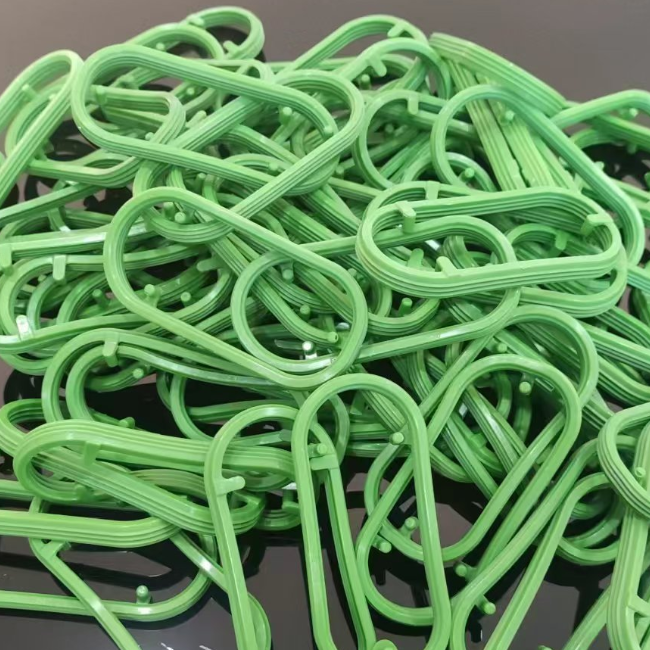
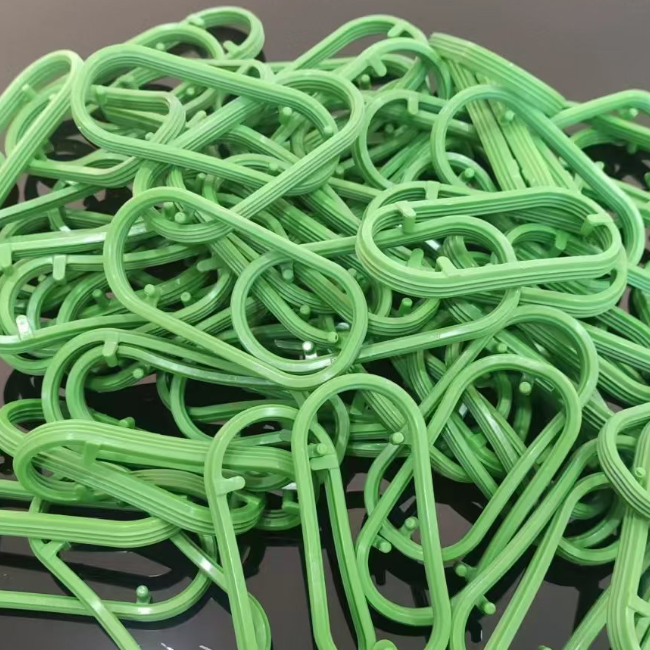
Oval and elongated loop seals. Long closed loops, sometimes with small locating nubs, used for covers, battery and control housings and sliding or clipped assemblies. These are flexible parts with large perimeters, so we plan the mold and the handling to keep the shape true and avoid twisting or stretching before packing.
LSR holds its shape across the temperature swings a vehicle goes through, recovers well after long compression, and stays flexible in cold conditions where many rubbers stiffen. It is also colored easily, so green, black, red and other colors can be used to separate part numbers, connector positions or variants on the assembly line.
One point worth raising early: standard silicone is not the right answer to every fluid. If the seal will sit in constant contact with hot engine oil, fuel or aggressive fluids, tell us at the start. We will discuss whether standard LSR, a fluoro-silicone grade or another material suits the application. Choosing the material for the fluid, not just for the temperature, avoids swelling and early failure.
Dimensions on sealing lips, rib height and ring thickness are checked on first-article samples and then monitored during production. Flash is controlled on every sealing surface. Parts are cleaned and packed so ribs and thin loops arrive undistorted. For automotive programs, we can provide first-article inspection reports and material documentation in the format your quality team requires, and we keep batch records so a lot can be traced.
Wiring harness connectors and cable seals, ECU and control module housings, sensor and camera housings, lighting and battery enclosures, and cover and cap seals on under-hood and interior components.
With these, we can review the design, suggest changes to rib or lip geometry if they help, and quote tooling and production.